Tanzania’s Seasons: A Year in Four Acts
TLDR: January through March is great for lush landscapes and seeing baby animals. The wet season is during April and May, when crowds dissipate and accommodations are discounted.
June through October is ideal for spotting plenty of wildlife. Animals tend to be concentrated close to water sources during this dry season. This time is also the busiest with crowds.
November to December is a transition season where the parks go from dry to green again, crowds are low, and safaris feel peaceful and rewarding.
A Year That Never Stands Still
Tanzania doesn’t run on four calendar seasons but on its own wild rhythm of rain, light, and migration. Every few months, the landscape transforms. Rivers swell, grasses rise and fade, and wildlife follows in response.
Here’s how to plan your dream safari, showing you what’s happening in Tanzania each season and how to make wise travel choices. (If you are ready to begin planning your adventure in Tanzania, we recommend you explore our African Safaris in Tanzania.)

🌞 The Short Dry Season (January – mid-March)
Clear Skies & New Beginnings
The year opens under clear skies. Days are warm but comfortable, with crisp mornings and golden evenings. Light rainstorms are common and welcome as they help cool things down. It is ideal for photographic safaris and also active adventures like walking safaris.
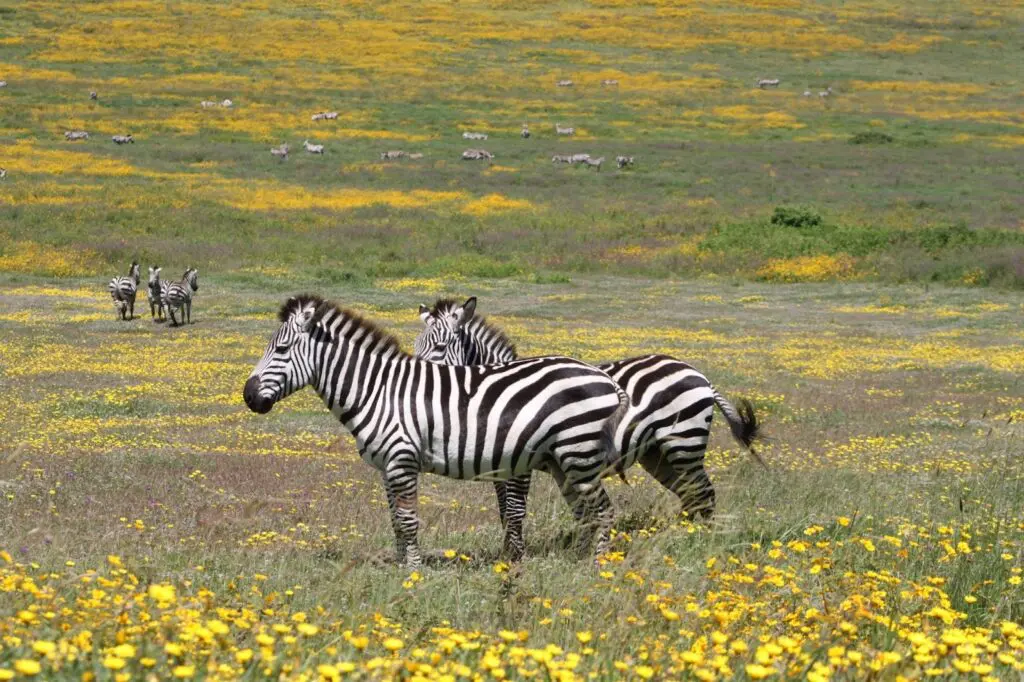
The onset of the rains signals the arrival of newborn babies. In regions like the southern Serengeti and the Ndutu plains, it is time for the calving season. With the migrating herds in the South, the scene is abuzz with energy. Hundreds of thousands of wildebeest and zebras give birth on the open grasslands and the predators follow close behind. Hyenas calling at night, lions patrolling at dawn and newborn calves learning to run within minutes of life.
Parks like Ngorongoro, Tarangire and Lake Manyara remain green from earlier rains in December. In the highlands, mornings are cool and clear, perfect trekking weather for Kilimanjaro and Meru.
Our Take: A beautiful time for safari, when temperatures are very warm, crowds aren’t too large and calving season is well underway. The plains glow green, the nights are cool and the bush feels calm before the next great transformation.
🌦️ The Long Wet Season (mid-March – May)
The Green Transformation
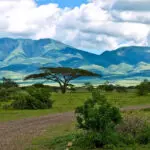
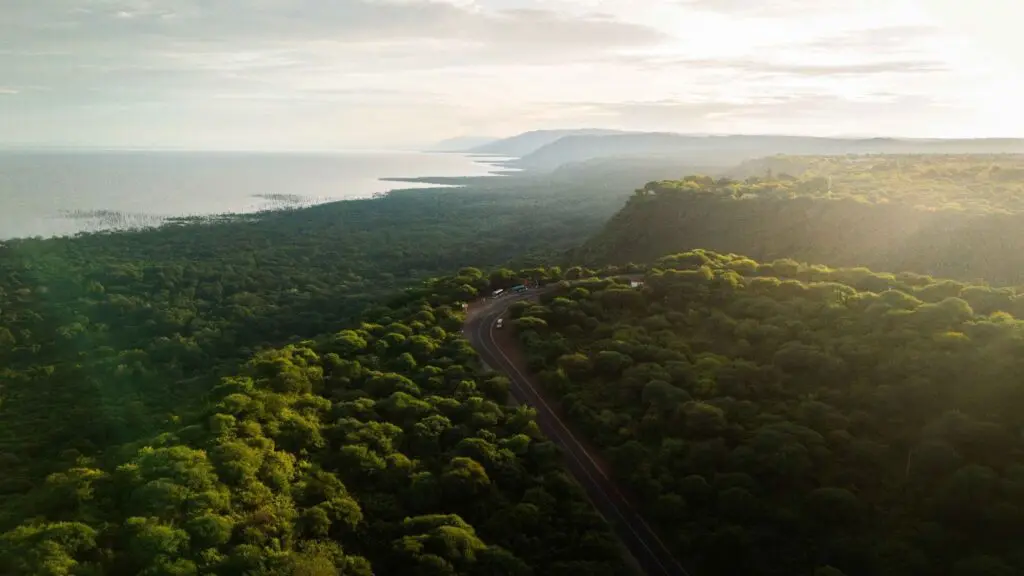
By mid-March, clouds gather and Tanzania exhales. The long rains arrive in bursts, gentle at first, then powerful. The dust settles, the rivers swell and every shade of green returns to the plains.
This is one of the most peaceful and beautiful times to be on safari. Parks grow quiet as most travelers turn away, but accommodations offer sizable discounts and the majestic wildlife remains. Elephants play in the mud, birds fill the skies and the air smells clean and alive. For photographers, this is a season of luminous light—dark clouds against bright grass, dramatic rainbows arching across the savannah.
“Going in the low season was no big deal! In fact, it was great—not crowded, green, plenty of animals, no dust, not too hot. We were the only people at the hotels, so we got treated with extra care and attention.”
— Guest Review, April 2024
With fewer vehicles, you’ll enjoy the stillness of the bush and benefit from excellent value. We build an itinerary that emphasizes comfort, strong guiding and minimal impact. If you want to discuss building your own green season safari in Tanzania, please contact us.
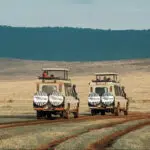
Our Take: In the past decades, this season was largely avoided because the infrastructure wasn’t adequate, but that is no longer the case. The safari vehicles used now are modern, with capable All Wheel Drive that can sustain the wet terrain. This season is adventurous and beautiful, allowing for an exclusive experience.
☀️ The Long Dry Season (June – October)
Dust, Drama & Migration
As the rains fade in June, the grasses shorten, rivers shrink and wildlife begins to concentrate around water sources. Mornings are cool, afternoons sunny and warm and the skies endlessly blue. The dry season kicks in with classic safari weather.
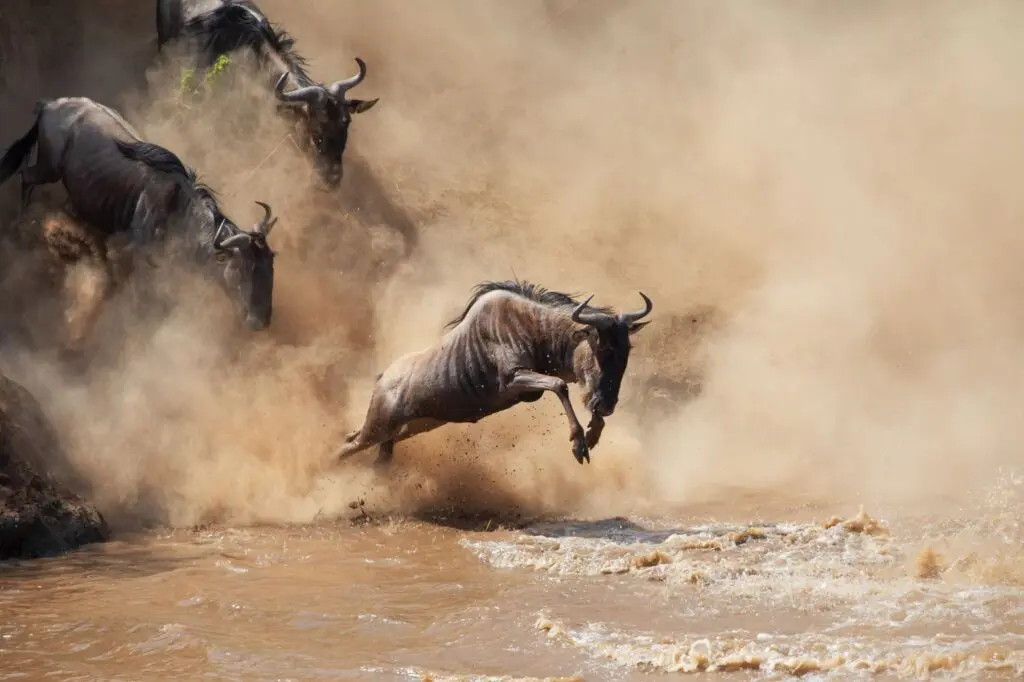
In the Serengeti, the Great Migration surges northward, reaching the Mara River by July. This is when the drama unfolds: thousands of wildebeest and zebras massing on the banks, the tension before the plunge, crocodiles waiting below. It’s breathtaking and unpredictable.
“Our Guide Josephat’s knowledge of the area let us witness a huge pride of lions—we were the only jeep there! It was our honeymoon, and waking up to zebras and wildebeest outside our tent felt surreal.”
— Honeymoon Couple, August 2024
“We saw the wildebeest migration, lions mating, and hundreds of birds. It was incredible how quickly we became friends with our guide—by the end, we felt like family.”
— Danielle, August 2024
Even though this is the busiest time of year, it doesn’t have to feel crowded. At Pristine Trails, we often encourage guests to zig while others zag: pair a few nights in the busy north with quieter areas like the western or southern Serengeti, where resident wildlife thrives year-round.
Our Take: The long dry season is the Serengeti at its most cinematic – dust, drama and endless light. July and August are peak season, so the parks and lodges are busy. It is a popular time for safari for a reason, but it is not the only time of the year that should be considered.
🌩️ The Short Wet Season (mid-October – December)
Thunderclouds & Renewal
As the first storms return, the land softens once more. The air turns warm and thunderheads gather over the plains as the first rain falls on dry earth. The transformation is almost immediate: grass quickly sprouts, wildebeest begin drifting south again and migratory birds flash across the sky.
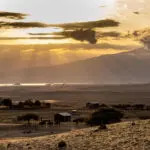
This is a time of renewal and quiet beauty. The crowds have thinned, the camps feel relaxed and the sunsets burn orange and violet through the rain clouds.
Our Take: There is something about November that always pulls us back. The light turns golden, the dust settles and Tanzania feels like it’s taking a deep, contented breath before the next cycle begins. Crowds are minimal and the safari experience feels peaceful and exclusive.
Every Season Has Its Soul
Tanzania isn’t a destination you visit once and check off a list; it’s a country you meet again and again.
Whether you come for the drama of the migration, the peace of the rains, or the clear light of the dry season, you’ll find that every moment in Tanzania reveals a different kind of wonder.
After years in the field, we’ve learned that the best time to visit isn’t about the weather—it’s about what you want to feel.If you’d like help matching your safari dreams to the right season, we’d love to craft it with you. Start planning your journey →
Tanzania’s Seasons: A Year in Four Acts