Kenya Travel Insurance: Everything You Need to Know for Your 2026 Safari
If you are planning an East African adventure visiting Kenya, Mainland Tanzania, or Zanzibar, keeping up with regional entry rules is an essential part of your trip prep.
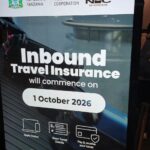
Following recent updates and official portal rollouts, foreign visitors entering both Kenya and Tanzania are required to hold mandatory inbound travel health insurance for each respective country.
TL;DR – Quick Summary
- Kenya Policy: All foreign visitors must buy government travel insurance (~$44 USD base, additional fees apply) via
insurance.ecitizen.go.keor during their eTA application. Airlines check proof before boarding.- Tanzania & Zanzibar Policy: Tanzania requires its own separate government insurance ($44 USD). Apply via
inbound.nicinsurance.co.tzif arriving in Mainland Tanzania first, orinbound.visitzanzibar.go.tzif landing in Zanzibar first.- Visiting Multiple East Africa Destinations? You must meet the entry insurance requirements for each destination.
- Foreign private policies do not exempt you from either government requirement, but you should still hold private travel insurance for trip cancellations, baggage protection, and high-limit emergency medical evacuations.
What Is Kenya’s Mandatory Travel Insurance Requirement?
On October 5, 2026, Kenya’s Ministry of Interior and National Administration issued an official directive instructing aviation authorities and airlines to verify inbound travel health insurance for all passengers traveling to Kenya.
Here are the key details from the government notice:
- Official Enforcement & Airline Checks: Airlines flying into Kenya are required to verify proof of valid coverage at check-in before boarding, as well as upon immigration clearance at ports of entry.
- No Exemptions for Foreign Policies: Private or international travel insurance policies bought at home no longer exempt you from this requirement. You must buy coverage issued under the government-approved Kenyan scheme.
- Minimum Coverage Requirement: Policies are required to provide a minimum cumulative benefit of $50,000 USD in medical coverage, issued under Kenya’s Insurance Act.
- Cost: The base insurance premium is listed at $44 USD per visitor. After portal access fees and card processing charges, your checkout total can cost up to $52 per person.
- Validity Period: Each policy is valid for 90 days, aligning with the standard Kenya Electronic Travel Authorization (eTA) validity period.
- Where to Buy: You can purchase coverage directly within your eTA application at
etakenya.go.keor through the dedicated eCitizen insurance portal atinsurance.ecitizen.go.ke. - Automatic System Sync: If you buy coverage separately through eCitizen, the eTA system automatically detects your paid policy using your passport number and marks your insurance status as “Valid”.
- Individual Coverage for Families: Every non-Kenyan traveler (including minors) must be covered under a valid policy, though you can buy multiple policies in a single checkout transaction.
Exemptions
Kenyan citizens, holders of valid residence status, refugees, diplomats, transit passengers who do not leave the airport, and citizens of East African Community (EAC) Partner States (such as Tanzanian passport holders) are exempt from this insurance requirement. However, non-EAC African nationals are still required to hold valid insurance even if they are exempt from the eTA.
Already Have an Approved Kenya eTA?
If you obtained your eTA before this requirement was integrated into the system, you must still buy insurance separately on insurance.ecitizen.go.ke before departure. Make sure to save your digital policy confirmation, insurance reference number, or payment receipt to show at airline check-in.
Kenya vs. Tanzania vs. Zanzibar Travel Insurance: Side-by-Side Comparison
If your East African journey spans multiple destinations, you will need to buy the appropriate government policies prior to arrival:
| Detail | Tanzania (Mainland) | Zanzibar | Kenya |
| Mandatory Policy | National Insurance Corporation (NIC) | Zanzibar Insurance Corporation (ZIC) | eCitizen Inbound Travel Health Insurance |
| Total Cost | $44 USD per adult ($22 per child age 3–17) | $44 USD per adult ($22 per child age 3–17) | ~$44 USD per visitor (additional fees will apply) |
| Coverage Period | Up to 92 days | Up to 92 days | Up to 90 days (aligned with eTA) |
| Private Insurance Accepted? | No (Mandatory local policy) | No (Mandatory local policy) | No (Must be issued under the Kenyan scheme) |
| Official Portal | inbound.nicinsurance.co.tz | inbound.visitzanzibar.go.tz | insurance.ecitizen.go.ke / etakenya.go.ke |
Why You Still Need Private Comprehensive Travel Insurance
While government-mandated travel health insurance provides basic emergency care within regional clinics, it is not a substitute for a comprehensive private travel insurance policy.
At Pristine Trails, we require all of our guests to maintain private comprehensive travel insurance with a minimum of $150,000 USD in medical coverage.
Here is why carrying your own private policy alongside state-issued coverage is critical:
- High-Altitude Trekking Limits: If you are booking Mount Kilimanjaro Trekking Tours, state insurance does not cover specialized mountain rescue, high-altitude evacuation, or emergency medical transport above 3,000 meters altitude. Pristine Trails requires high-altitude trekking coverage up to 6,000 meters altitude.
- Trip Cancellation & Interruption: Government schemes do not reimburse your prepaid safari bookings, international airfare, or hotel accommodations if your trip is canceled due to illness, family emergencies, or severe weather delays.
- Emergency International Repatriation: If a medical emergency requires air ambulance transport back to your home country, private international policies cover these costs, whereas local government policies only assist with care at regional facilities.
To learn more about our booking rules and policy guidelines, review our complete Pristine Trails Travel Insurance Policy.
Practical Tips for Cross-Border Travelers
- Sort Both Applications Early: Complete both government insurance purchases and entry permits (Tanzania Visa / Kenya eTA) online at least a week before departure. This avoids unnecessary stress at airport check-in or land border crossings like Namanga or Isebania.
- Keep Digital and Printed Proof: Airlines will ask for proof of valid insurance before boarding. Keep a saved copy on your mobile device and print out a hard copy of your confirmation receipt and reference numbers for both countries.
- Review Country-Specific Entry Points: Remember that your first port of entry into Tanzania determines which portal you use. If landing at Kilimanjaro International Airport (JRO) or Julius Nyerere International Airport (DAR), register via NIC. If flying directly into Abeid Amani Karume International Airport (ZNZ), register via ZIC.
Planning Your East African Safari?
Navigating entry requirements across Kenya and Tanzania does not have to be confusing. For step-by-step instructions on Tanzania’s rules, check out our Mandatory Tanzania Travel Insurance Guide.
Whether you are dreaming of a migration safari across the Serengeti or combining East Africa’s top wildlife parks, our expert team designs tailor-made itineraries that handle all logistics from start to finish.
Explore our Custom Tanzania Safaris
or reach out to the Pristine Trails team today to start planning your trip!